When love feels hard: Understanding and healing blocked care
Apr 2026
Written by Noel Macnamara
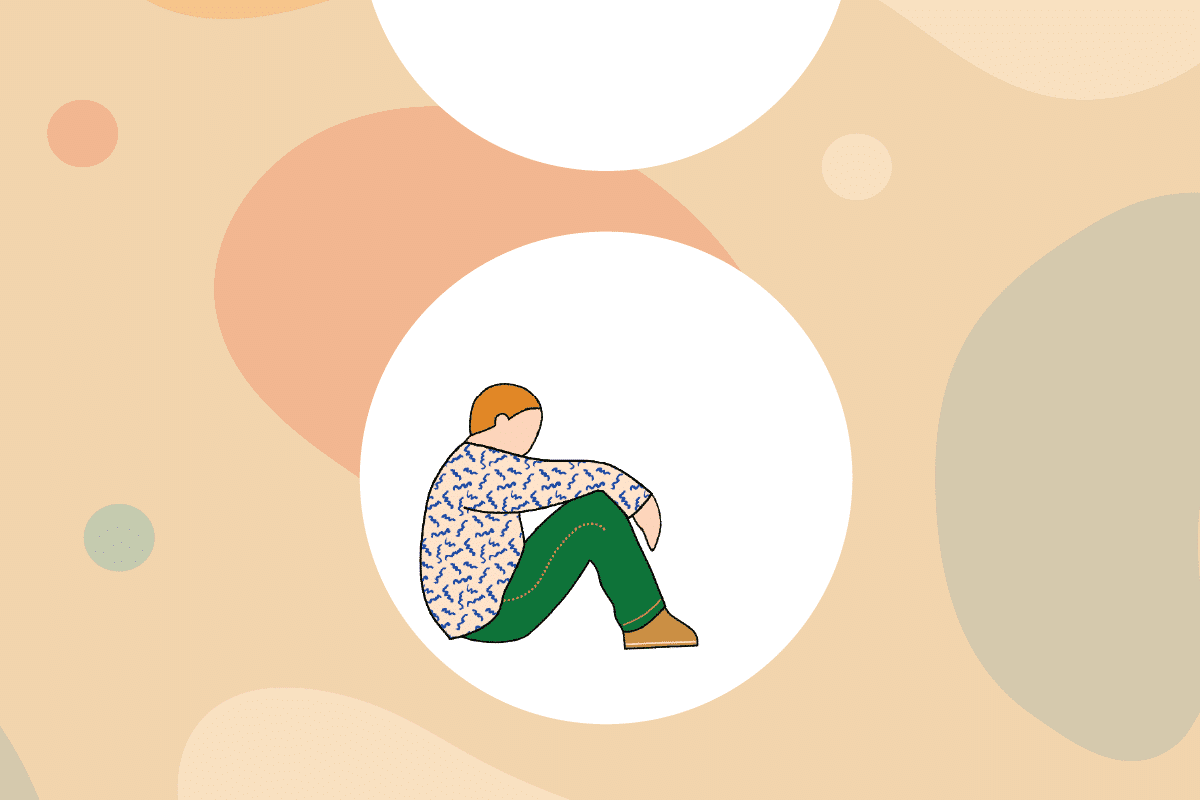
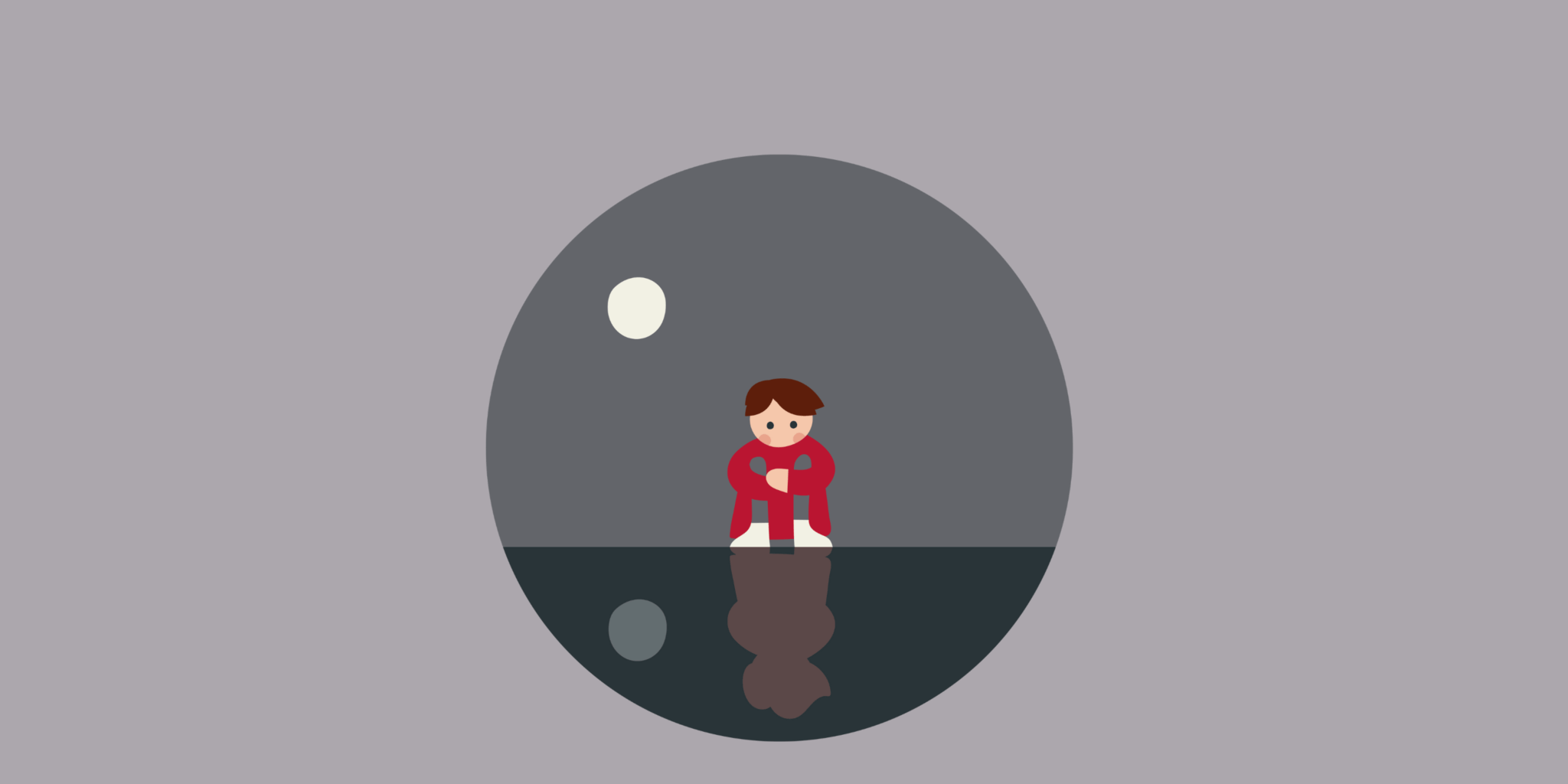
Blocked Care. It’s a phrase that sounds clinical, but behind it lies something deeply human and deeply painful. It’s the moment when a carer’s heart, once open and overflowing with love, begins to close without them even realising. It’s what happens when love becomes heavy, when the well of compassion runs dry, when the weight of a child’s trauma begins to settle in our bones.
Blocked Care is not about bad people or broken hearts. It’s about good people who’ve carried too much pain for too long.
What is blocked care?
Blocked Care is a protective state, the brain’s way of saying, “You’re not safe to connect right now.”
Children who have experienced early trauma often push away the very love they need most. Their defiance, withdrawal, or mistrust can make even the most patient carer feel powerless and rejected. Over time, this relentless cycle can leave carers feeling emotionally depleted and somewhere along the way, the natural flow of care gets blocked.
Blocked Care isn’t a loss of love; its love trapped behind the walls of survival.
Hughes and Baylin describe it like this: “When a parent’s brain becomes chronically stressed by a child’s defensive behaviour, the neural circuits that support caregiving shut down. The parent’s capacity for empathy and delight is replaced by frustration and withdrawal.”
In other words, the very biology that enables us to love can become blocked.
The science of survival
In a healthy caregiving relationship, our brain’s reward and bonding systems (powered by oxytocin and dopamine) light up when we nurture or comfort a child. But under chronic stress, especially when the child’s trauma responses keep us on edge, the amygdala takes over.
The brain stops saying, “Connect and care” and starts saying, “Protect and survive.”
In this state, our emotional world narrows. We lose our joy, our empathy, our playfulness. We become vigilant rather than open, critical rather than curious.
It’s not weakness. It’s biology. It’s our brain trying to survive in an environment that feels unsafe, even if our rational mind insists otherwise.
This shift leads to:
- Emotional numbness or detachment
- Irritability and guilt
- Loss of joy and curiosity about the child
- Increased control and decreased empathy
It’s not that we stop loving the child, it’s that our nervous system can no longer access love easily.
How it feels
Blocked Care doesn’t announce itself with a bang. It creeps in quietly, through fatigue, through disappointment, through one more meltdown or one more rejection.
Carers often describe blocked care in painful, shame-filled language:
“I just feel empty.”
“I don’t recognise myself anymore.”
“I know this child has been through so much, but I can’t feel anything for them.”
These words are soaked in guilt and grief. But they are also acts of courage, because naming our disconnection is the first step toward healing it.
If you’ve ever felt this way, you’re not broken. You’re human. Blocked care is the brain’s way of saying, “You’ve carried too much, for too long.”
Blocked Care is not the absence of love. It is love waiting to be reawakened.
The impact on children
Children sense blocked care instinctively. Even before they can name it, they feel it. A look that lingers too long, a tone that cools, a distance that grows. For a child already carrying the belief “I’m unlovable,” this can confirm their deepest fear.
The child retreats further, testing harder, defending more fiercely and the carer, already overwhelmed, tightens even more. Both are locked in a dance of pain: the child protecting themselves from rejection, the carer protecting themselves from heartbreak. It’s not malice, it’s mutual defence.
Understanding this doesn’t excuse hurtful behaviour but it helps us see the shared trauma loop that both inhabit. The goal isn’t blame. It’s compassion for both.
The path to unblocking care
Healing blocked care isn’t about trying harder or loving more. It’s about reconnecting to our own sense of safety, compassion, and worth, because we can’t offer what we no longer feel within ourselves.
The first step in healing blocked care is self-compassion. You cannot reconnect with a child from a place of self-blame.
- Notice and name it.
Awareness is disarming. Saying, “I think I might be in blocked care right now,” brings the experience out of shame and into the open (see self-assessment below). - Regulate before you relate.
When your body is tense and your breath shallow, empathy can’t flow. Pause. Breathe slowly. Feel your feet on the ground. You are safe. - Seek reflective spaces.
Find supervision or peer support where you can talk honestly without judgment. Reflection transforms stress into meaning. - Find micro-moments of connection.
Even tiny gestures — a shared laugh, a moment of curiosity, a gentle word — can reopen the neural pathways of care. - Remember your story (why).
Reconnect with the values and hopes that brought you into caring in the first place. Beneath the exhaustion, your compassion is still there, waiting to breathe again.
A word to professionals
If you support carers, as a supervisor, caseworker, or trainer, remember that blocked care is not a sign of poor motivation or lack of skill. It’s a nervous system under siege. The antidote is not reprimand or performance management, it’s relational repair and reflective safety.
As one carer told me, “The moment someone stopped judging me and started listening, I started to care again.”
Hope in the hard places
Blocked care is not permanent. It’s reversible, because our brains are plastic, our hearts resilient, and our capacity to love astonishing.
Jonathan Baylin writes:
“When caregivers feel safe and supported, their brains reopen to the joys of caregiving. The circuits of love come back online.”
So, if love feels hard right now, don’t give up. You’re not failing, you’re fatigued and just as children need co-regulation, so do we. Together, in connection, care can flow again.
Download: Self-assessment checklist
Click here to download a free self-assessment checklist.
Recommended reading:
- Hughes, D. & Baylin, J. (2012). Brain-Based Parenting: The Neuroscience of Caregiving for Healthy Attachment. W.W. Norton & Company.
- Golding, K. (2015). Everyday Parenting with Security and Love. Jessica Kingsley Publishers.
- Bath, H. (2015). The Three Pillars of Transforming Care: Trauma and Therapeutic Relationships. Australian Childhood Foundation.