
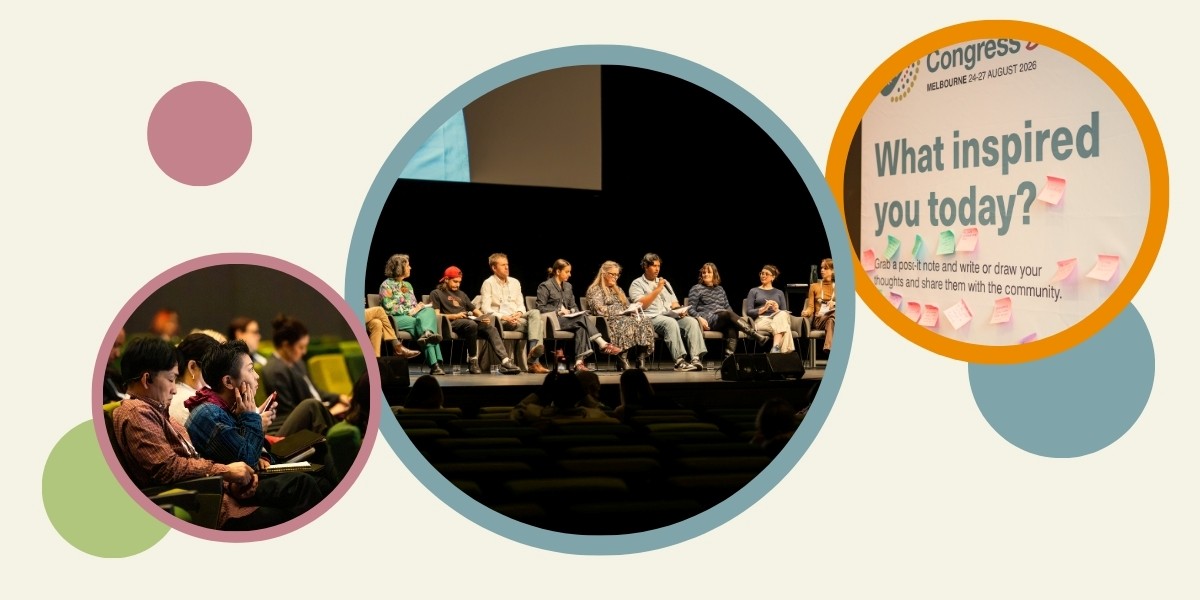
A personal reflection on volunteering at the ISPCAN Congress and discovering the power of lived experience and advocacy in creating meaningful change.
Read more 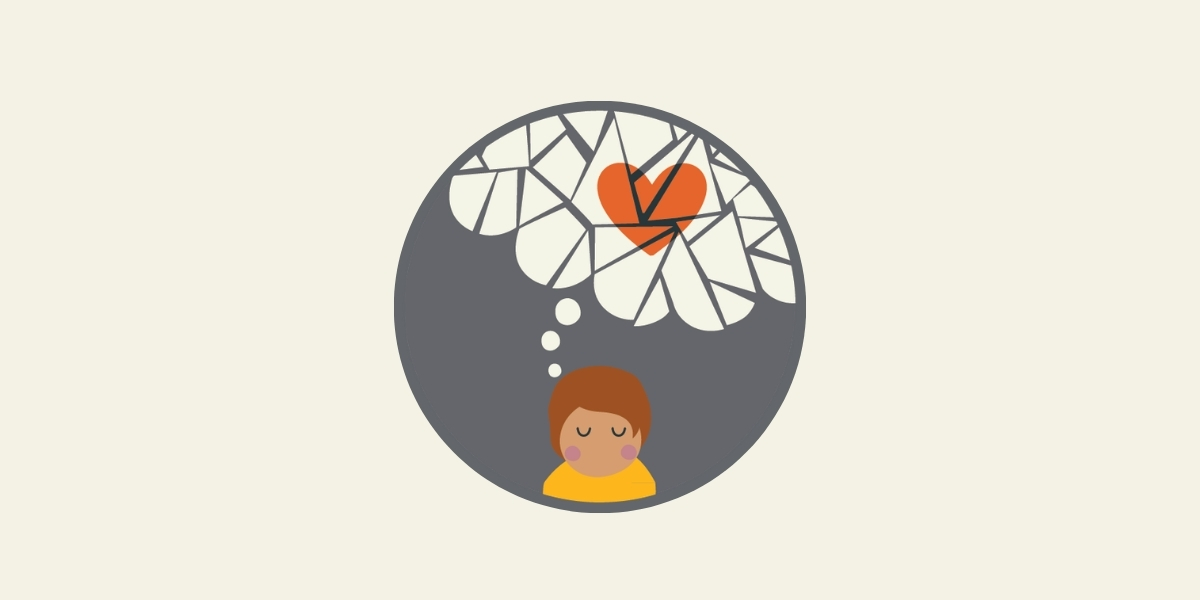
Learn how coercive control not only shapes what happens around a child, but also influences what the child comes to believe about themselves, the people they love and the world they live in.
Read more 
ISPCAN’s first dedicated Youth Stream will centre lived experience as expertise, challenging traditional ideas of knowledge and participation.
Read more A personal reflection on volunteering at the ISPCAN Congress and discovering the power of lived experience and advocacy in creating meaningful change.
Learn how coercive control not only shapes what happens around a child, but also influences what the child comes to believe about themselves, the people they love and the world they live in.
ISPCAN’s first dedicated Youth Stream will centre lived experience as expertise, challenging traditional ideas of knowledge and participation.

Out-of-home care is about more than placement. It is shaped by safety, loss, relationships and belonging.

Discover how Child Safeguarding Codes of Conduct help organisations identify grooming behaviours, reduce risk, and protect children.

The Parent Group Facilitator Training has been designed to support professionals working in parent education. Launching in September 2026, this practical, strengths-based training builds confidence, facilitation skills and professional connection for those supporting diverse groups of parents.
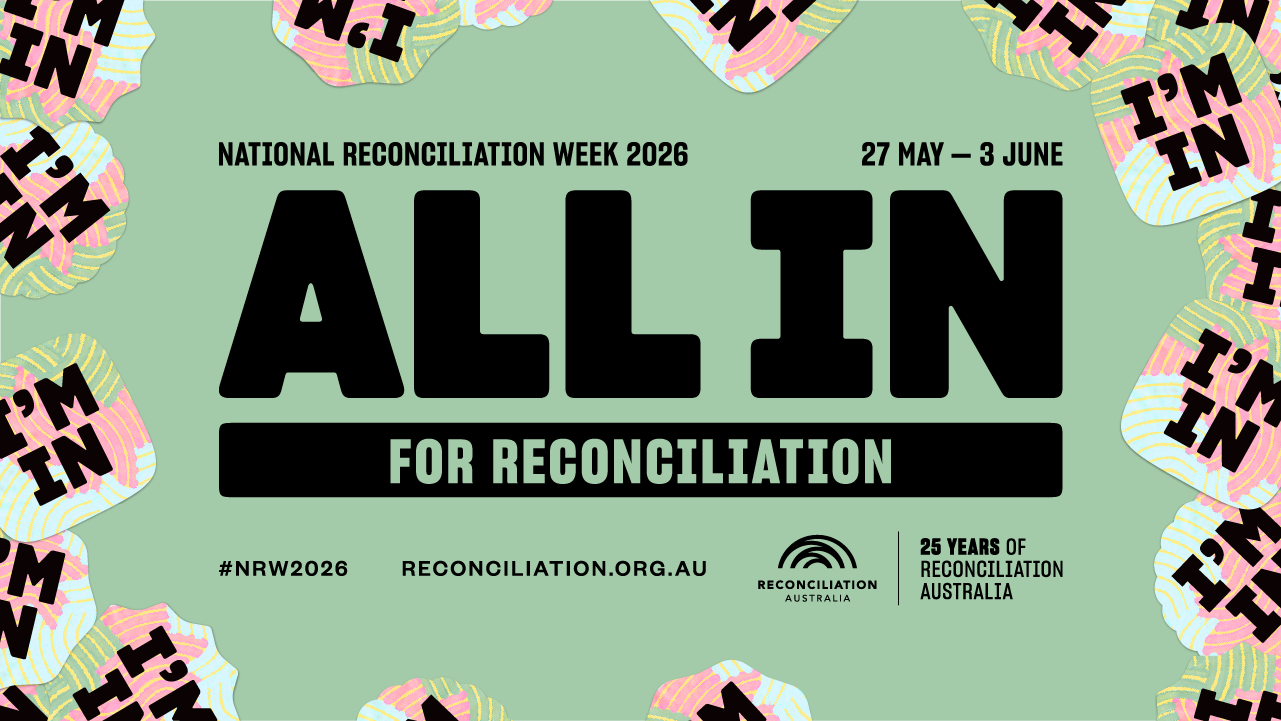
This National Reconciliation Week, Australian Childhood Foundation explores what it truly means to be “All In” for reconciliation - beyond acknowledgements and awareness days, towards daily action, cultural safety, truth-telling, and genuine allyship for Aboriginal and Torres Strait Islander children, families, and communities.
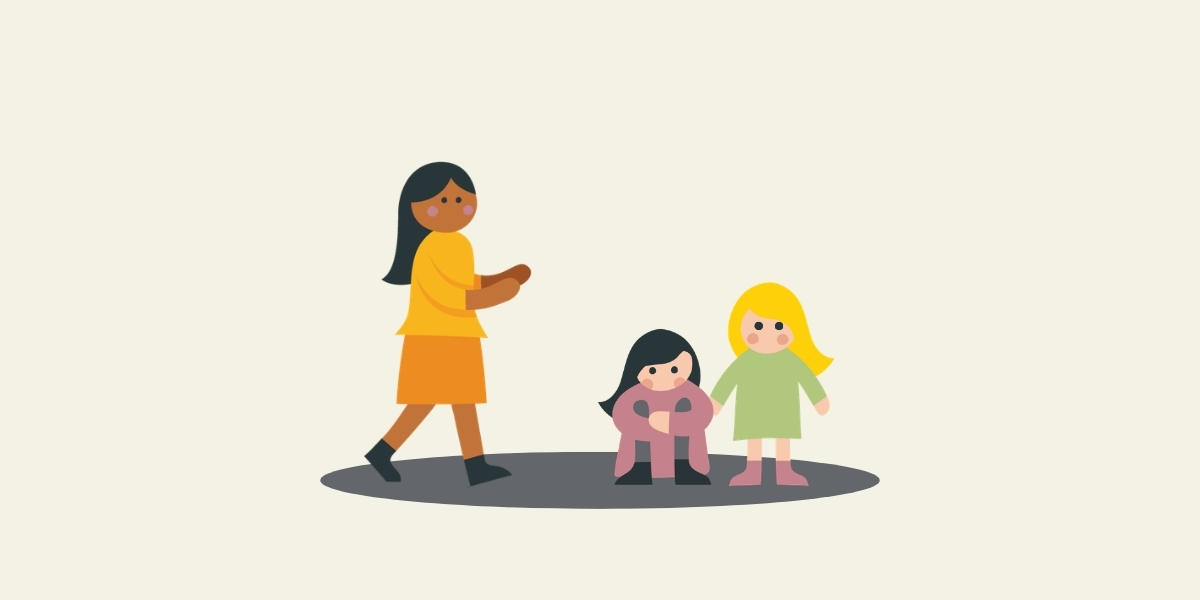
If we fail to support the adults around children, we unintentionally limit their access to the very relationships that support their development.
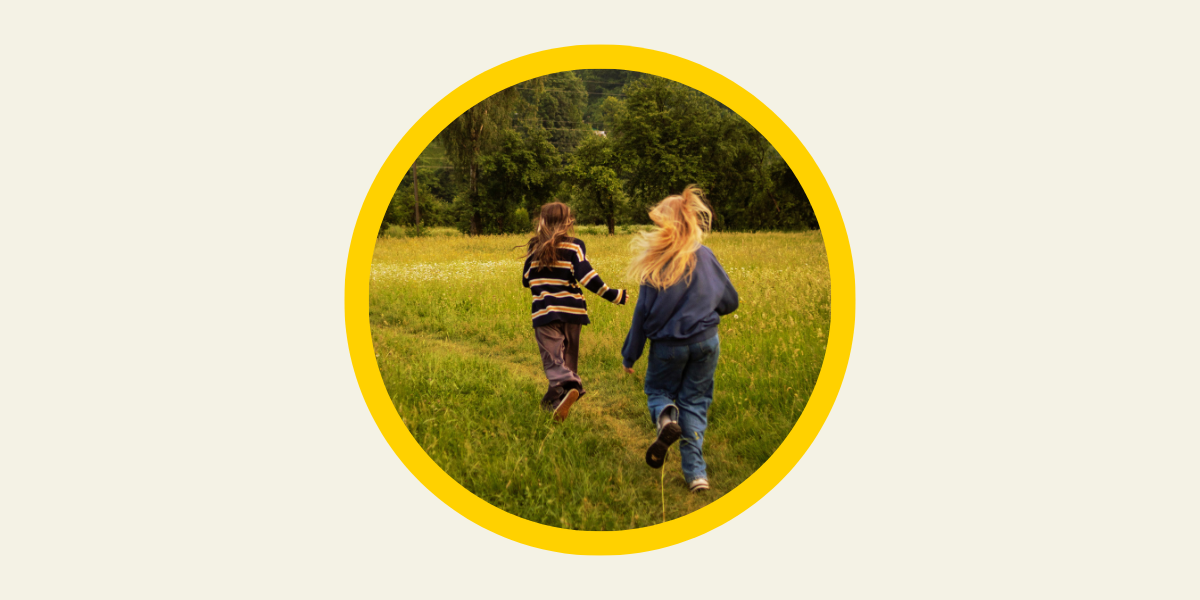
Discover how risky play supports children’s confidence, resilience, and development, including practical ways to support safe exploration.
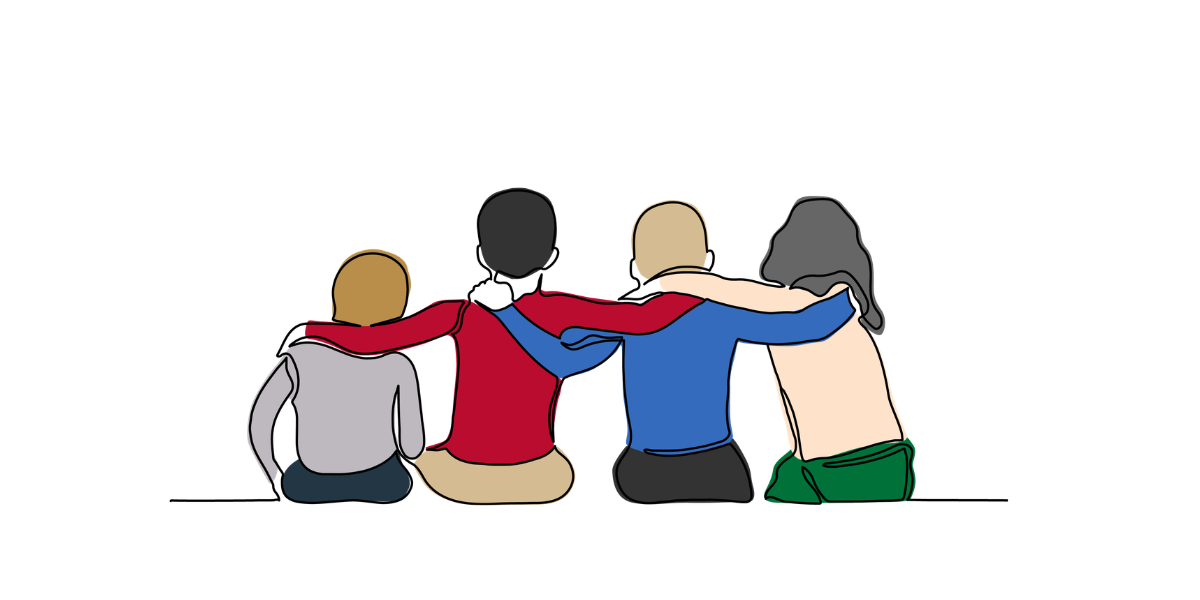
Without connection, young people can still feel alone. Explore why relational practice must be at the centre of care.

Explore how humour, empathy, boundaries, and a light-hearted approach strengthen trauma-informed leadership.

Learn to identify child grooming in organisations, understand key risk factors, and implement effective safeguarding practices.