
selfcare-protocol-blog--feature-image

How to develop your own self-care protocol

May 2022

Written by Kelly Royds Noel Macnamara

  • When someone says ‘self-care’, what image comes to mind?
  • What are the positive and negative aspects of this image?
  • Do you have clear intentions for self-care and your self-care protocol?

Last month, we explored self-care in our regular Community of Practice for therapeutic specialists and others with a therapeutic leadership role in out-of-home care.

We know self-care isn’t a one-off action and requires intentionality, planning and consistency to enhance wellbeing. At the same time, we also know how easy self-care is to slide off our radar when faced with urgent and complex demands. As Kottler & Hazler (1997) note, there are oft-spoken rationalisations for avoiding or facing our challenges. Do any of these statements sound familiar?


  • “This period will pass. I am just busier than usual at this point”
  • “None of my colleagues or managers have complained to me about not doing my job properly.”
  • “I’m experienced so I can deal with this difficulty without any input from others.”

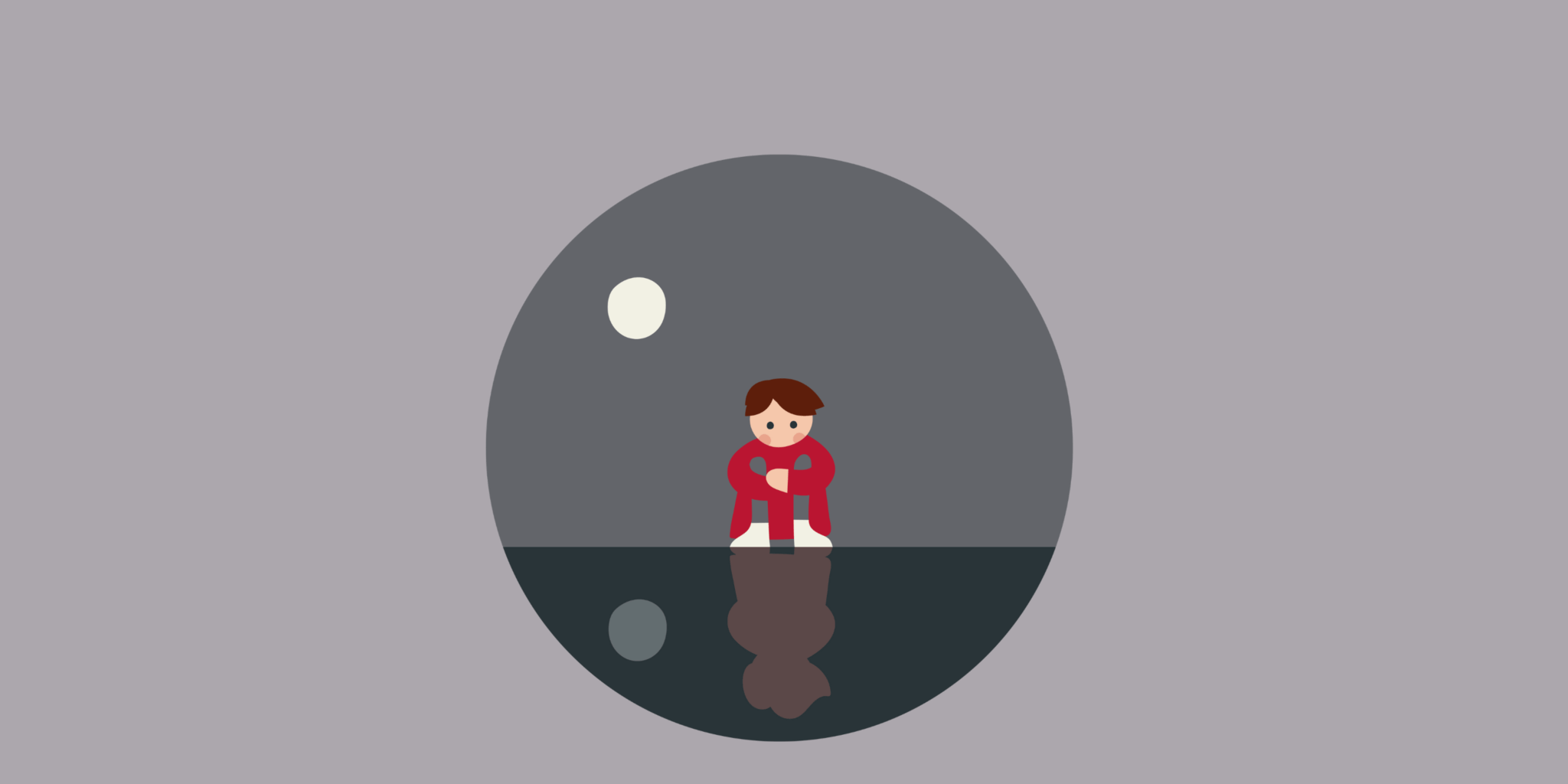
And yet, self-care is not simply about limiting or minimising professionals’ stressors. It is about enhancing your overall well-being. Using Dan Siegel’s Mind Health Platter, we asked Therapeutic Specialists to assess their self-care across the five domains according to frequency (no activity in the last month, once or twice, at least weekly, etc.)
Focus time

When we closely focus on tasks in a goal-oriented way, we take on challenges that make deep connections in the brain.

How often?

Never, sometimes, often, always.

Play time

When we allow ourselves to be spontaneous or creative, playfully enjoying novel experiences, we help make new connections in the brain.

How often do you play?

Never, sometimes, often, always.

Time in

When we quietly reflect internally, focusing on sensations, images, feelings and thoughts, we help to better integrate the brain.

How often?

Never, sometimes, often, always.

Connecting time

When we connect with other people, ideally in person, and when we take time to appreciate our connection to the natural world around us, we activate and reinforce the brain's relational circuitry

How often?

Never, sometimes, often, always.

Physical time

When we move our bodies, aerobically if medically possible, we strengthen the brain in many ways.

How often?

Never, sometimes, often, always.

Down time

When we are non-focused, without any specific goal, and let our mind wander or simply relax, we help the brain recharge.

How often?

Never, sometimes, often, always.

Sleep time

When we give the brain the rest it needs, we consolidate learning and recover from the experiences of the day.

Getting enough sleep?

Never, sometimes, regularly, always.
While each of us differed in the domains we emphasized, many shared that play time – when we sit back, relax and be spontaneous, creative and playful – was seldom in focus. Somewhere between childhood and adulthood, we stop playing. Some therapeutic specialists opted to set intentions to play in their free time (e.g. learning magic tricks) while others reflected on how collaborative play was also often missing in the dynamics between children and young people in therapeutic residential care. This observation led to an important discussion about the difference between competitive and collaborative play for children and young people who have experienced trauma. As Noel Macnamara writes here, when deciding to play competitive games with children and young people who have experienced abuse and trauma it is important to aware of how trauma impacts on the child or young person’s capacity to remain within their window of tolerance. You can read more on this here: Cooperative and competitive play. As you look forward this, you might like to explore the Mind Health Platter with your teams. You can use these domains to assess what your self-care currently looks like and to create a self-care protocol.

You may be interested in:

9 plain english principles of trauma-informed care
The trauma literature can be overwhelming. Its basis in neuroscience offers incredible insights into its impact. But it also is challenging to decipher and make relevant to the ways in...
Read more
What is trauma?
What is trauma?
Depending on who or what you read, trauma will be defined in a variety of ways. Is it simple or complex? Developmental, relational or attachment oriented? Within the field of...
Read more
What are the 10 essential elements of the Intensive Therapeutic Care System in NSW?
Concepts of ‘complexity’ and ‘evidence’ are often heard in discussions that seek to find ways to better meet the needs of traumatised young people requiring more intensive forms of care....
Read more