Karen’s story: Culture
Nov 2020
Written by Karen Lovett
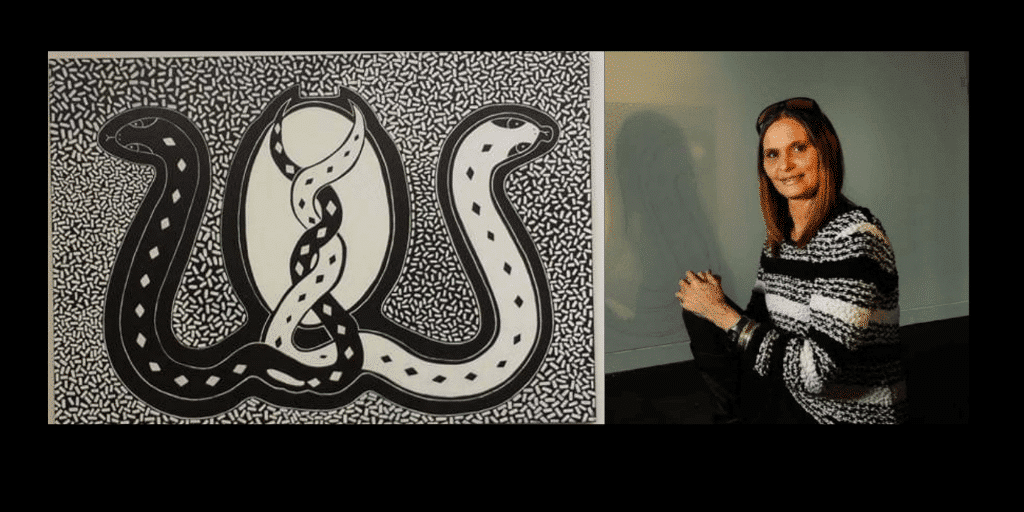
Recently I had the privilege of being invited to the 50th Birthday party for twins, Karen and Sharon Lovett who initially came into care at 4 months. I was fortunate to share part of particularly Karen’s life in residential care during her teens. Through the years I thought of her so often wondering what we could have done differently. She wasn’t hard to love and care for, but I knew there was more. Whilst I had contacted her family, I always sensed there was more we could have done. Karen finally made her journey home to her people and country and taught others through her own experiences of being in a white care system. Seeing them now as proud and beautiful women with the strong families they have raised is inspiring. It shows the strength of Aboriginal culture. I think we can all learn from Karen’s story which she has been kind enough to share. I am so glad they came into my life, first with me as a carer and then I hope as a friend and finally Karen as the teacher.
Glenys Bristow

Culture
Some people are born with it
Some people have to learn about it!!
Growing up was hard for me I was an Institutionalised child who fitted into the Government System well and I knew nothing else.
Houses changed as often as my brothers and sisters did. Aunties and Uncles/Cottage Parents came and went, but one thing stayed the same my name was Karen Lovett, and I had a twin sister, and my skin was white.
I was proud of who I was, and nothing could change that (so I thought).
Around the age of 8 years old people started telling me that I was Aboriginal, and I should meet my dad as they were worried, I was losing culture and my Identity. So, they set up a meeting and to my surprise, he was Black well what a shock I got, and I hid from him lol. People had to explain to me that it didn’t matter what colour we were we all bleed the same.
My sister was born with what I call Koorie pride it was in her blood she knew she was different she didn’t know why but she was proud, but not me I was white and I was staying that way, the colour black/brown scared me and I just wasn’t ready for this in my life.
So, I denied my Aboriginality which hurt my Dad my sister and my family terribly.
People said I needed to be comfortable with my Aboriginality and I needed to accept it – it was part of me they got Aboriginal Organizations involved as they were concerned and wanted to help me reconnect. At such a young age being removed from my culture had changed me.
At the age of 37 years old my mother in law took me to Kangan Institutes Indigenous Education Centre in Broadmeadows to learn about my family – my paintings (as I was an artist but didn’t really understand where it came from) and my culture. At first, I was sad and confused about my loss of family and culture and how I had been changed into an Institutionalized child now adult. Then I was angry then I started to learn everything I could and became a Cultural Arts Teacher for the next 9 years and I delivered Indigenous Cultural Awareness Training to DHHS all over Victoria so hopefully what happened to me wouldn’t happen to another Aboriginal child in care. My culture and community saved me, and I finally belonged somewhere my culture is what was missing in my Identity and my life.
Today I say some people are born with Koorie Pride and you know who they are because they are loud and proud and ooze their Culture and some people have to learn about it and our confusion of Identity makes us hang our heads down and we don’t fit in the black community or the white community we belong in both and we learn at our own pace and no one can make it happen any quicker.

By Karen Lovett